Come to the Table GEORGIA
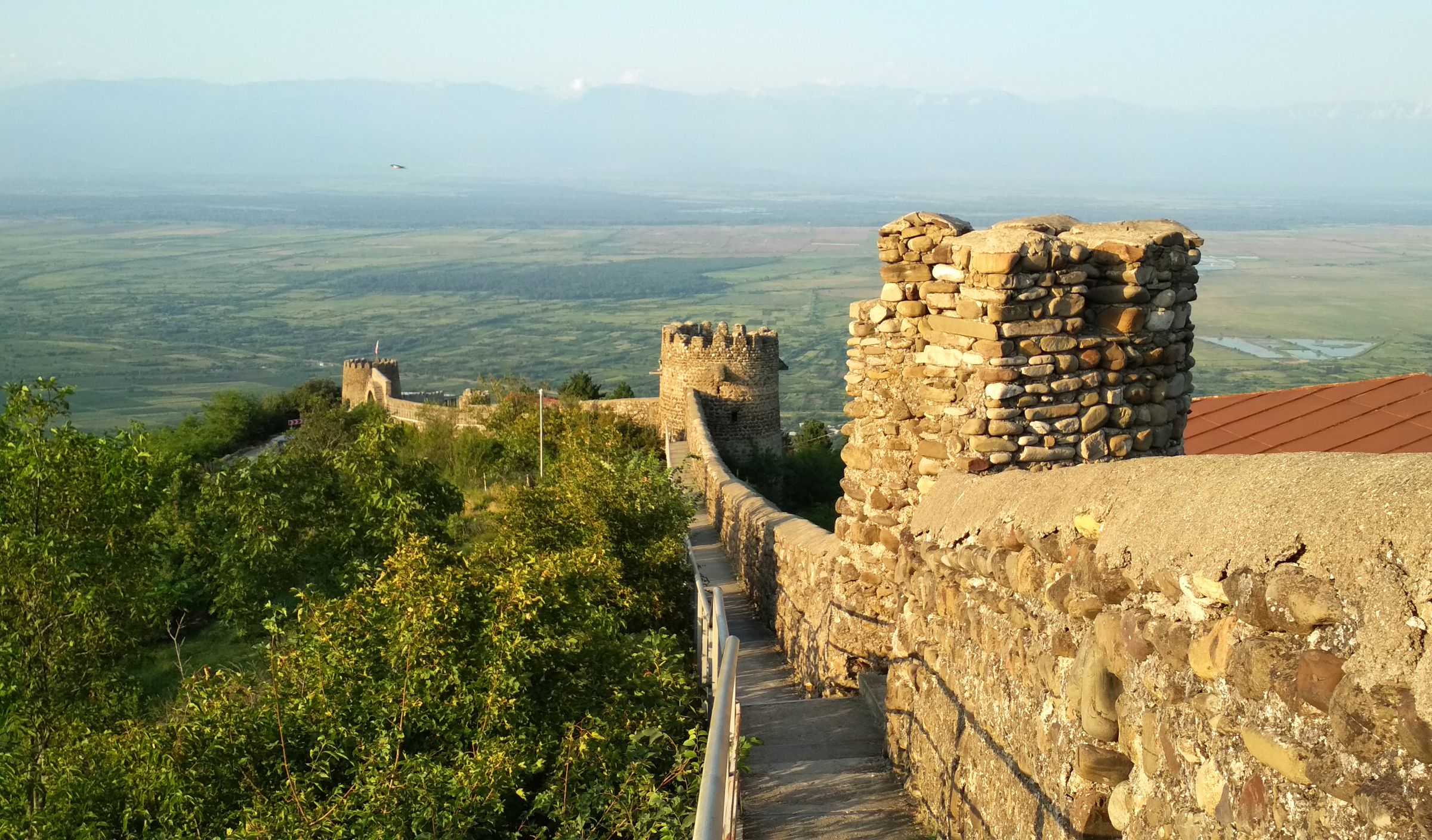
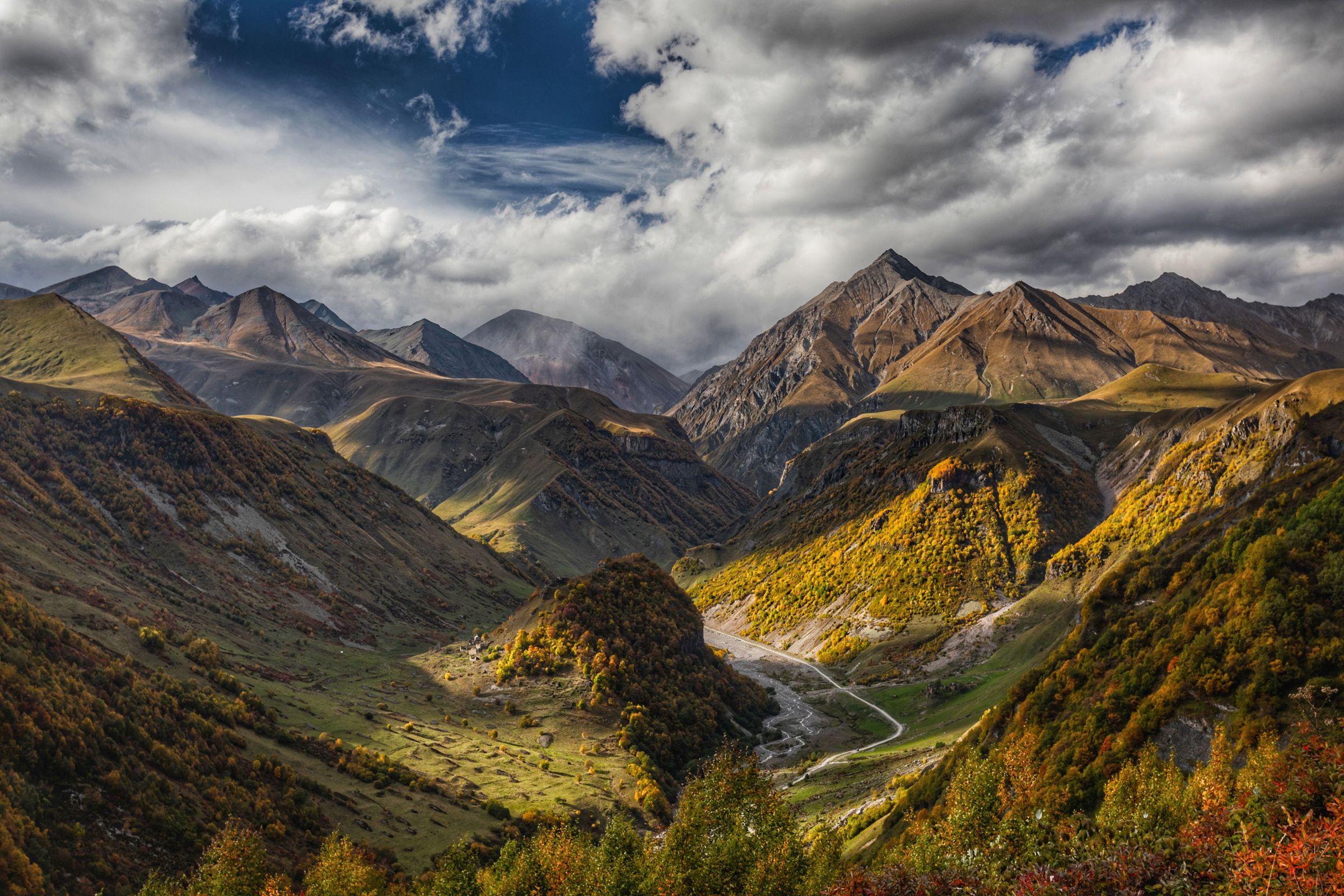
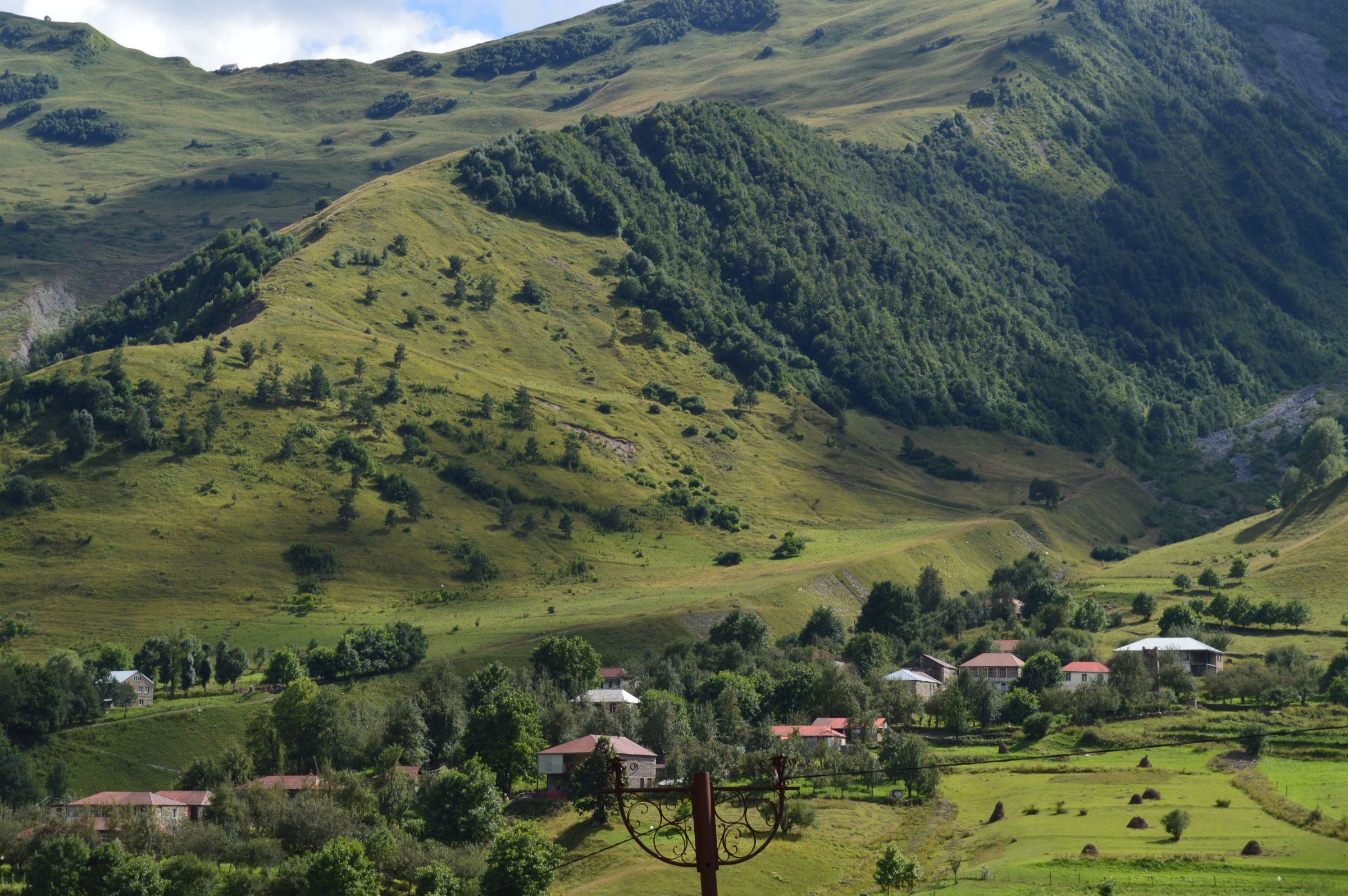
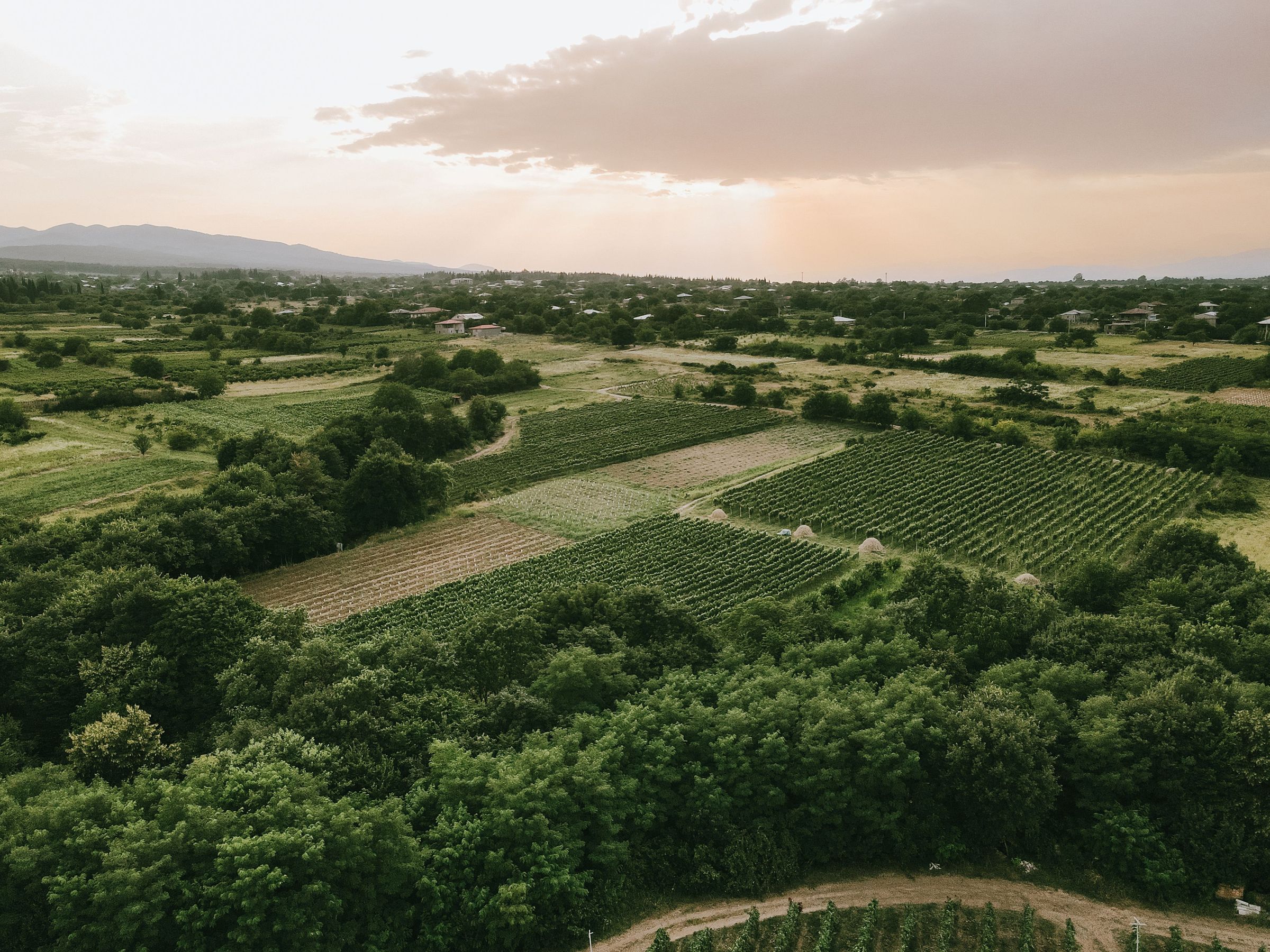
Kakheti wine country at golden hour: rolling vineyards running to the Greater Caucasus, the birthplace of wine.

The table is set

Come to the table.Georgia has been waiting 8,000 years.

The birthplace of wine. The home of the supra. The mountains that still remember the first toast.

სტუმარი ღვთისაა

Plan my feast

Scroll to sit down.

The invitation

A guest is a gift from God.

სტუმარი ღვთისაა

We do not sell landscapes. We sell the moment a stranger is walked to the head of the table and given the first glass. Georgia has practised this sentence for eight thousand years — in qvevri buried to the neck, in towers that outlived empires, in a city that never finished arguing with itself. Come hungry. Come late. Come with the name of someone you miss. The toast will find them.

“Sit. The mountains are not going anywhere. The bread is.”

— a tamada, Kakheti

“We bury the wine so it will remember the earth when we forget.”

— a qvevri-maker, Alaverdi

“If you leave hungry it is not because we ran out. It is because you hid.”

— a grandmother, Mestia

This is not a slogan. It is the house rule.

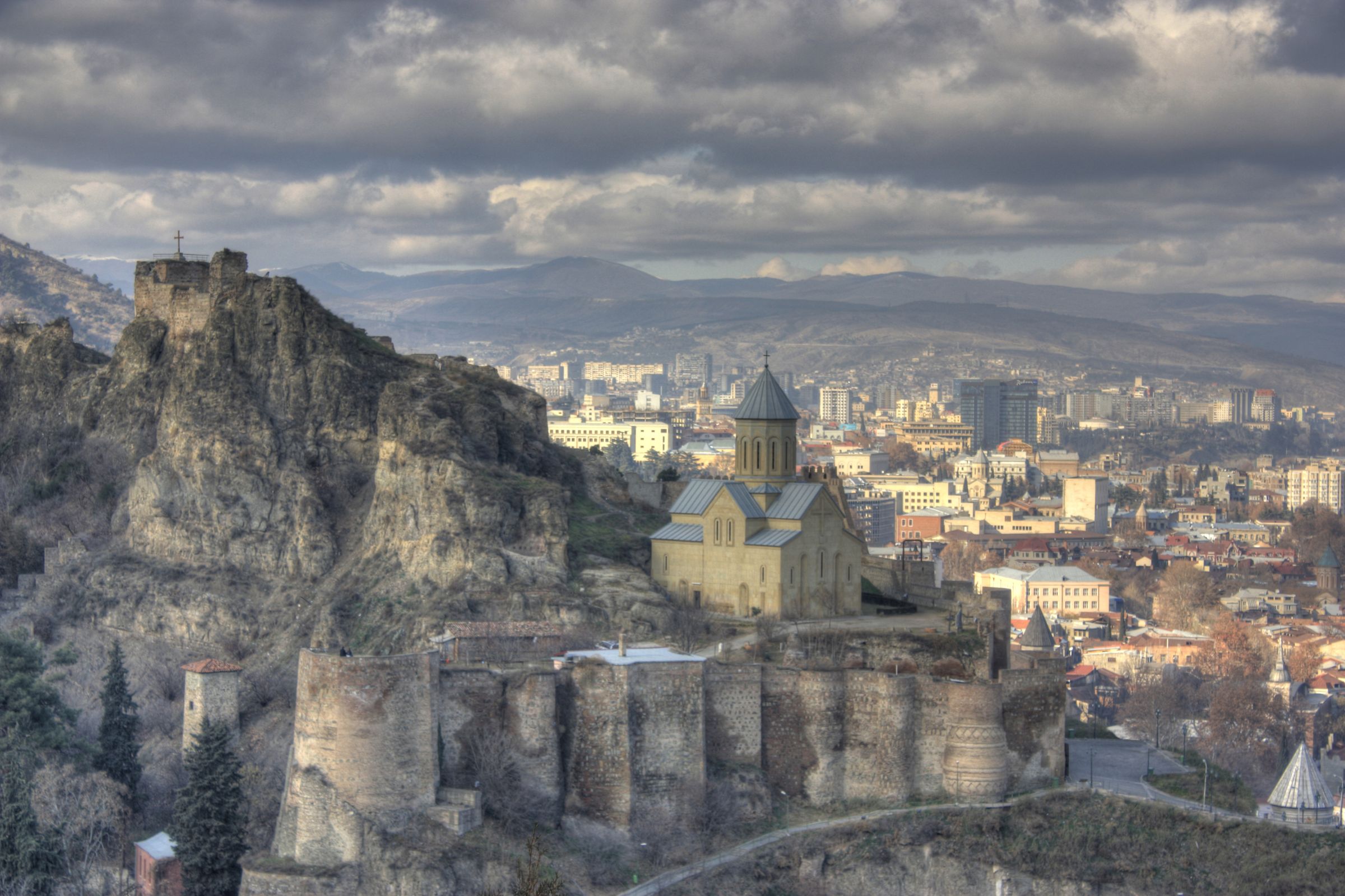
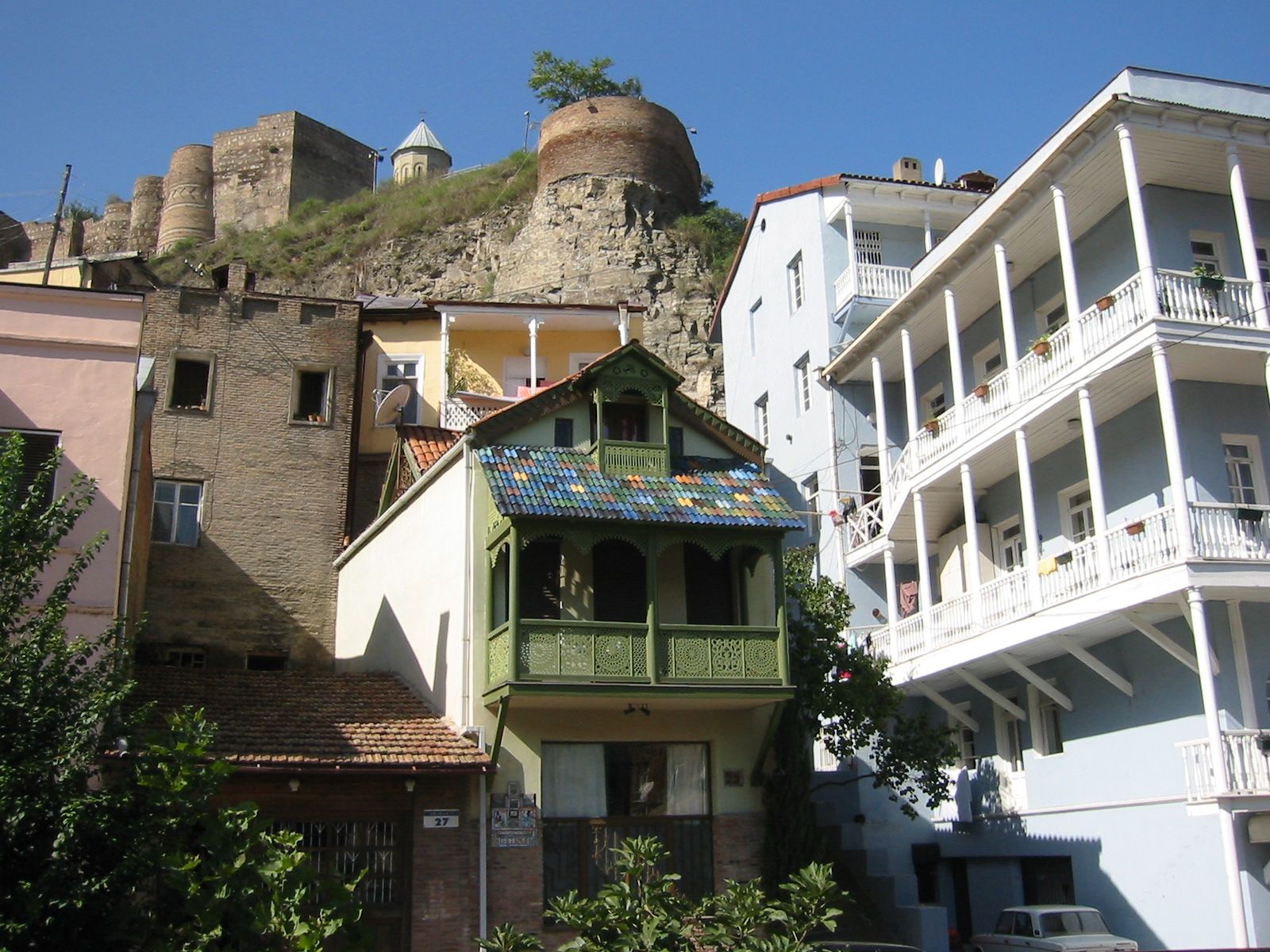
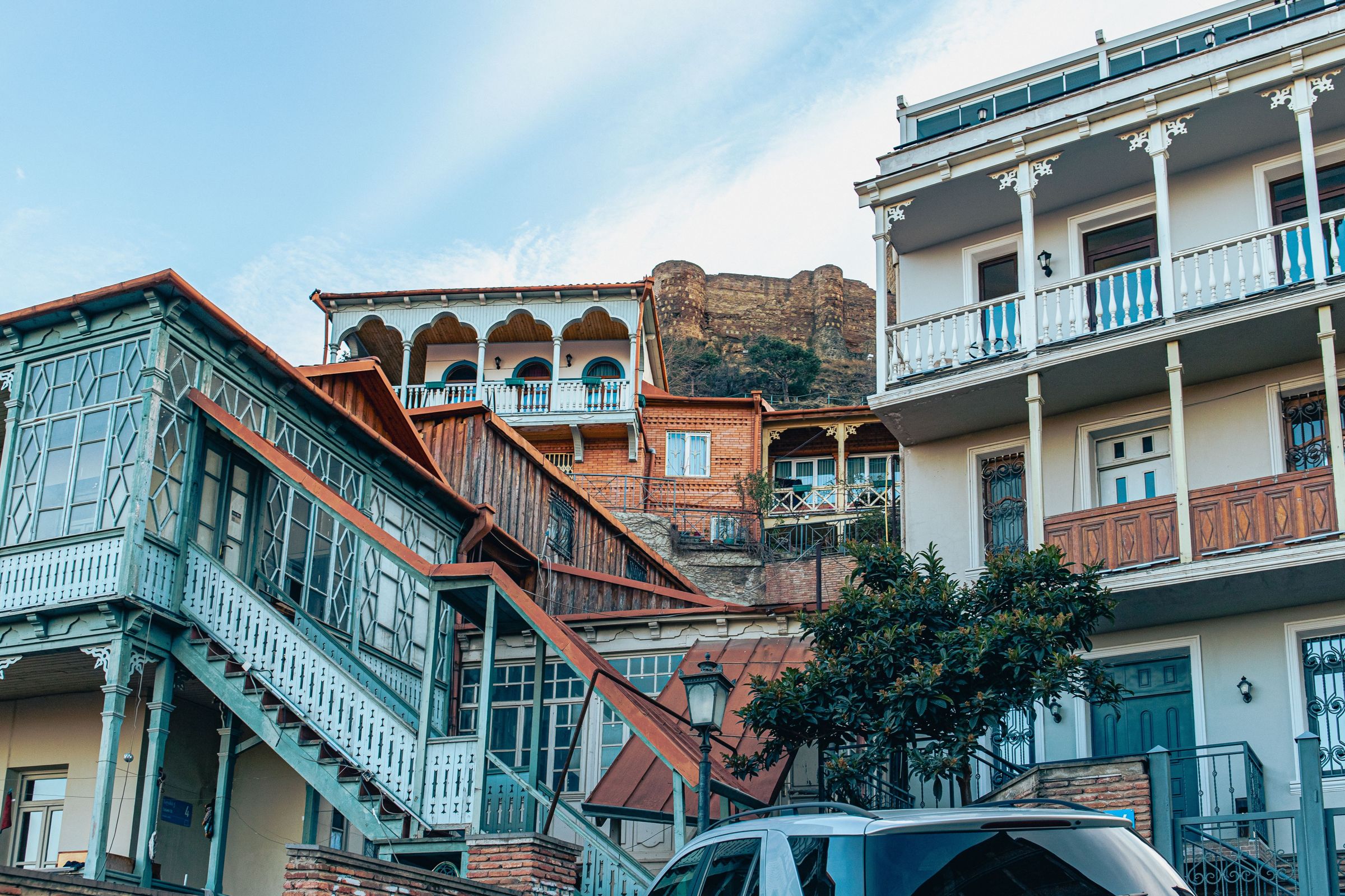
Stacked wooden balconies in Tbilisi Old Town, laundry and grapevine sharing the same ironwork.
Tbilisi · a doorway that argues, then opens
Hands holding a tight cluster of dark Kakheti grapes, juice already staining the fingers.
Kakheti · the year’s first argument
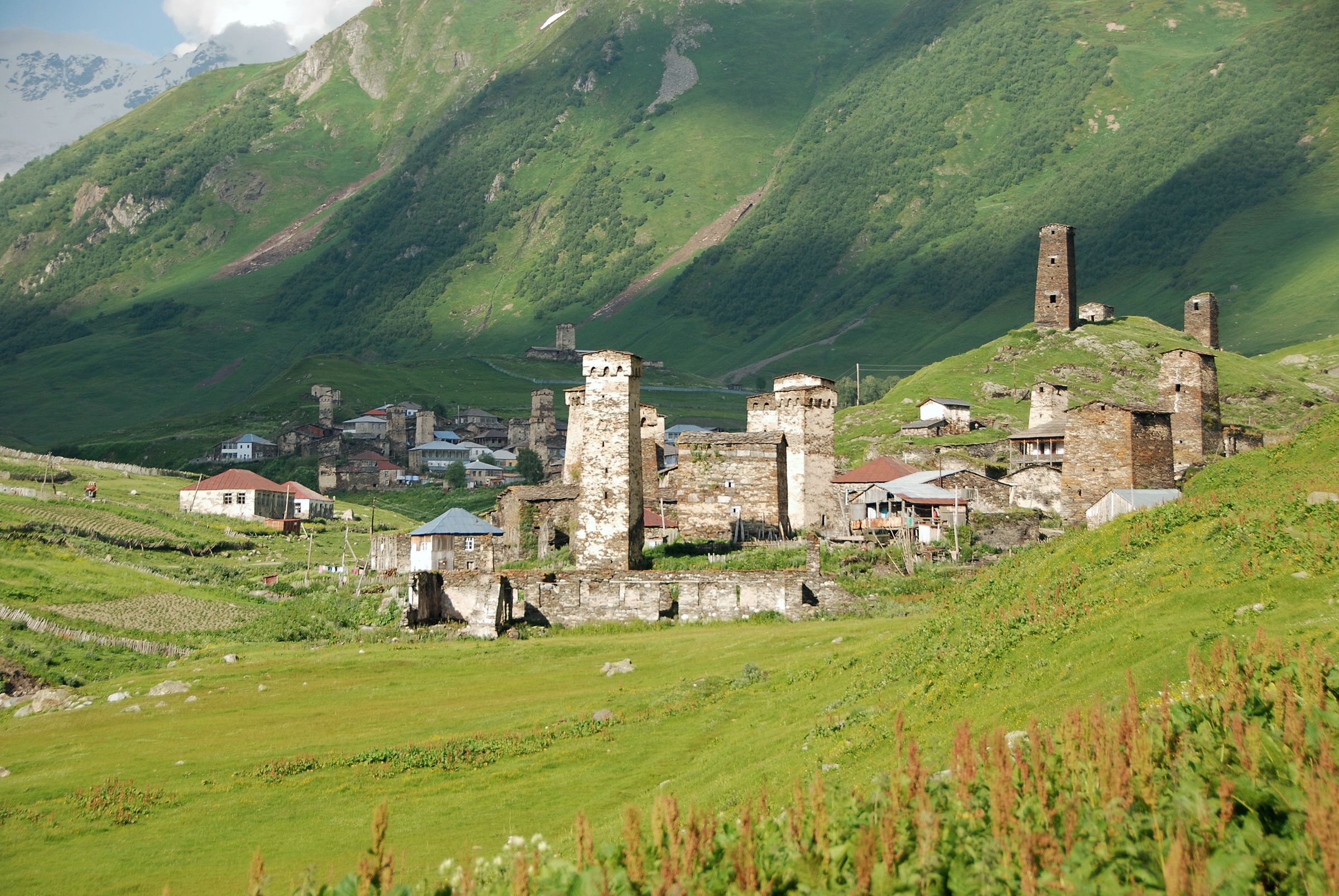
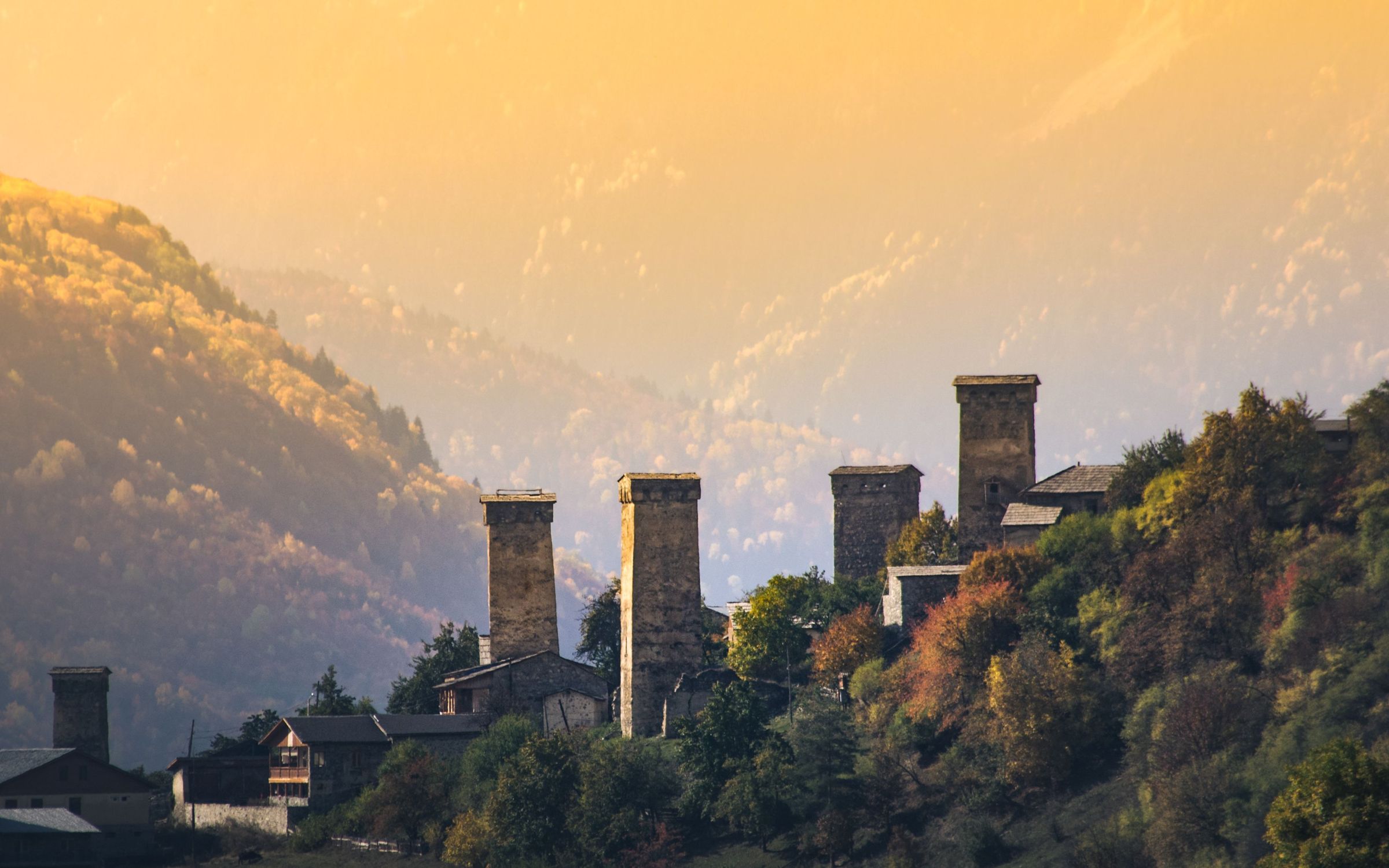
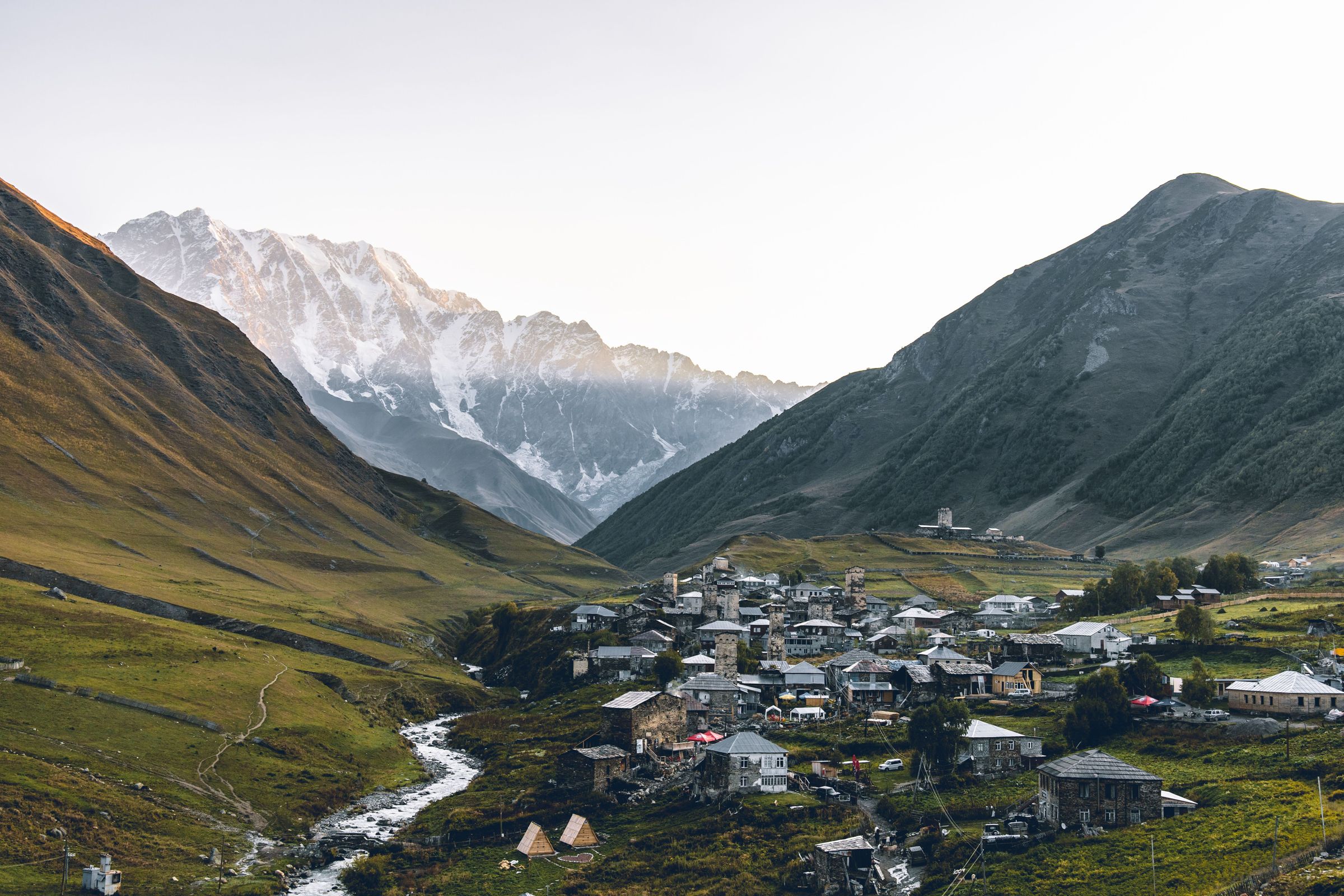
Svan defensive towers at golden hour, stone catching the last light against a pale mountain wall.
Svaneti · the towers are still counting

The glass

Before France, before Italy — there was a clay pot buried in the earth.

Eight thousand years is not a slogan we printed for the airport. It is a qvevri, still cool, still working, still arguing with the grape.

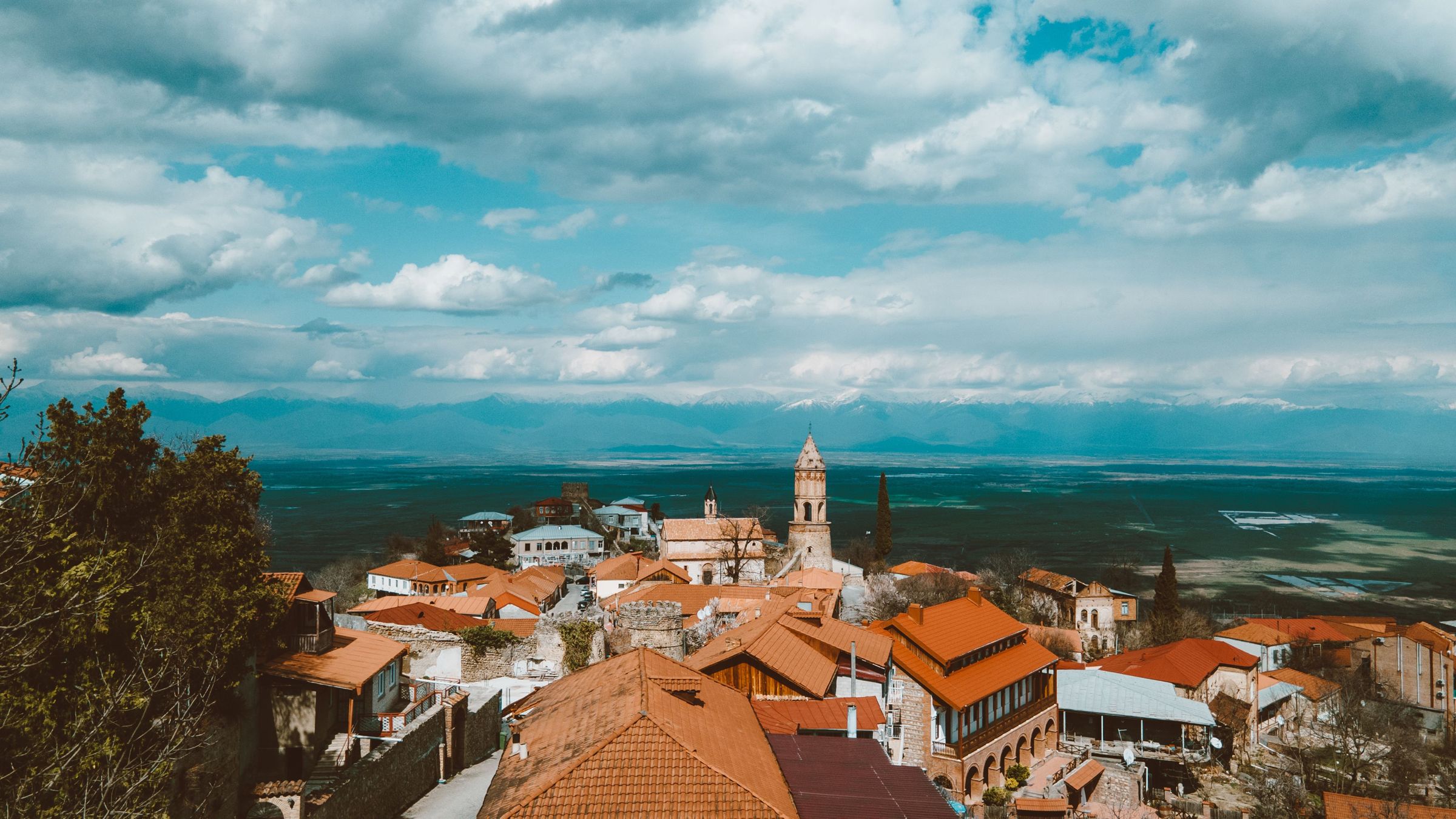
Alaverdi Monastery rising over the Alazani plain, the spiritual roof of Kakheti’s qvevri country.

The pot that is a cathedral

In Kakheti they do not make wine so much as lend the grape a room. The qvevri is a clay egg buried to its lips. The earth keeps the temperature. The skins keep the colour. The monastery keeps the hours. When they open one, the air smells like a thunderstorm that learned manners. This is not rustic. This is technology that outlived every empire that tried to tax it.

Taste this
Aerial of Kakheti vineyards running in dark rows toward a pale, heat-soft horizon.

Saperavi — the ink that feeds you

Saperavi means “one that dyes.” It stains the glass, the tablecloth, the afternoon. Drink it slightly cool in Sighnaghi and it tastes like black cherry that went to church and came back restless. We pour it first not because it is famous, but because it is honest — a working grape for a working toast.

Taste this
Rkatsiteli-pale grapes in a wooden crate, skins intact, dust of the harvest still on them.

Amber wine, or the long skin contact of a people

Amber is white wine that refused to be in a hurry. Months on skins in qvevri give it tea, apricot, walnut, and a tannin that feels like a handshake. Georgians did this before the word “orange wine” was a shop in another country. If someone tells you it is a trend, smile and pour them more.

Taste this
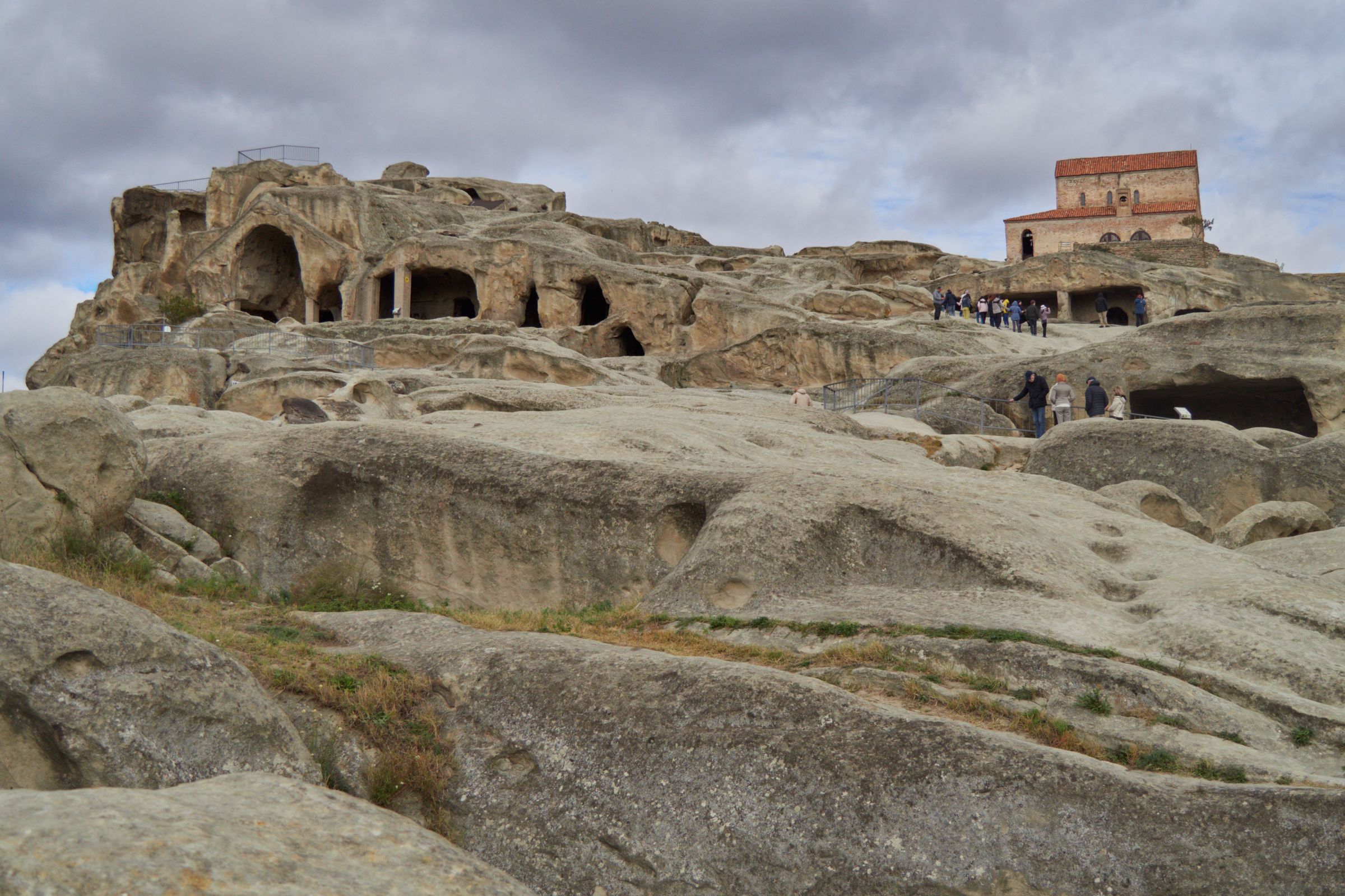
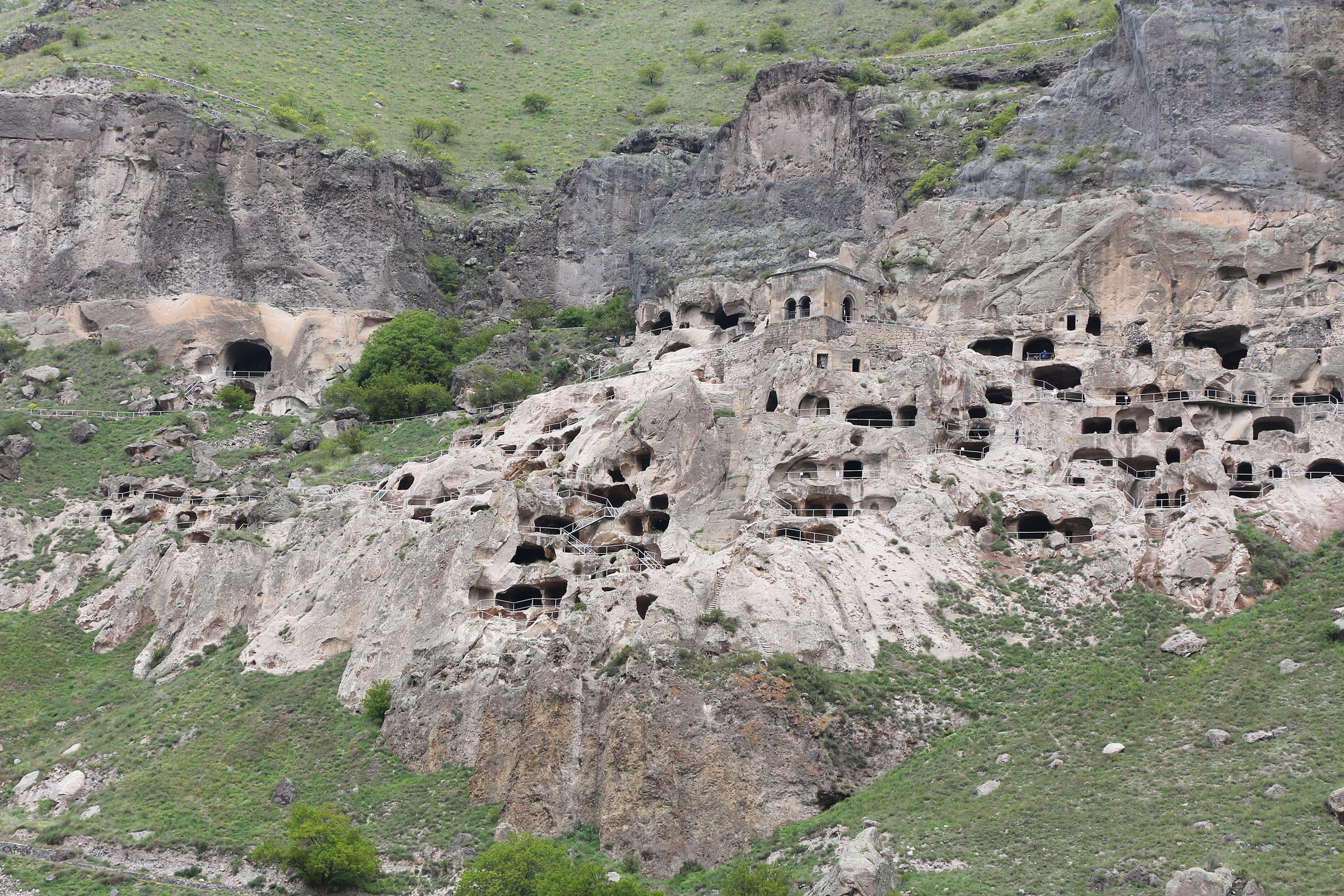
The rock-cut town of Uplistsikhe, rooms and wine-press hollows carved into a sun-struck ridge.

The first evidence, still sticky

In the soil of this country archaeologists keep finding the same sentence: pip, jar, feast. Eight thousand years of residue. We do not ask you to memorise the laboratory. We ask you to hold a glass in a courtyard where the press-marks are older than most nations, and to say the name of someone you love. That is the scientific method, Georgian-style.

Taste this

The table of regions

Four stories. One table. You will not finish them.

Do not collect destinations. Sit in one place long enough for someone to argue with you about the wine.

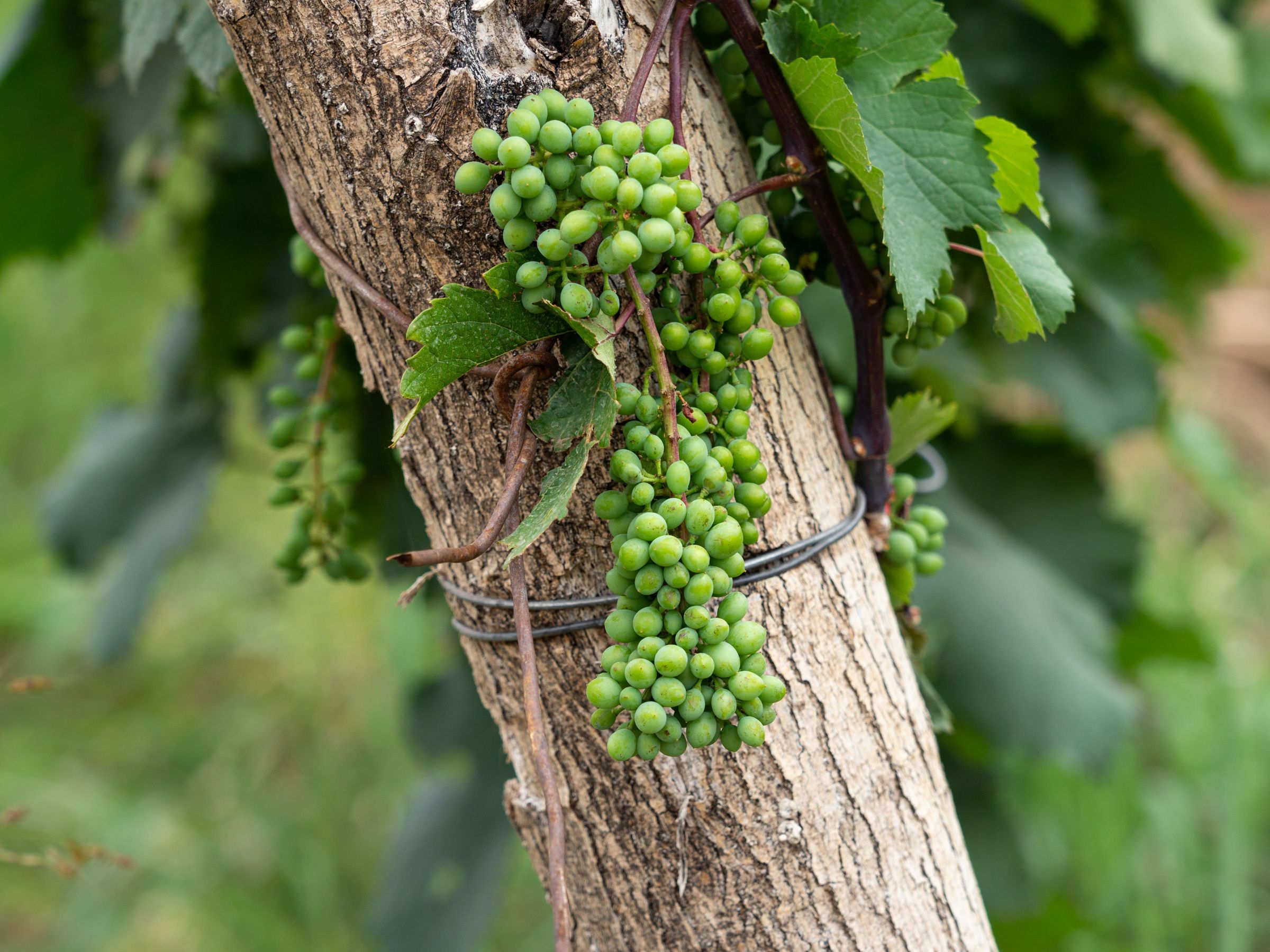
Ripe Saperavi grapes on the vine in Kakheti, ready for the qvevri.
Saperavi · the grape that waited
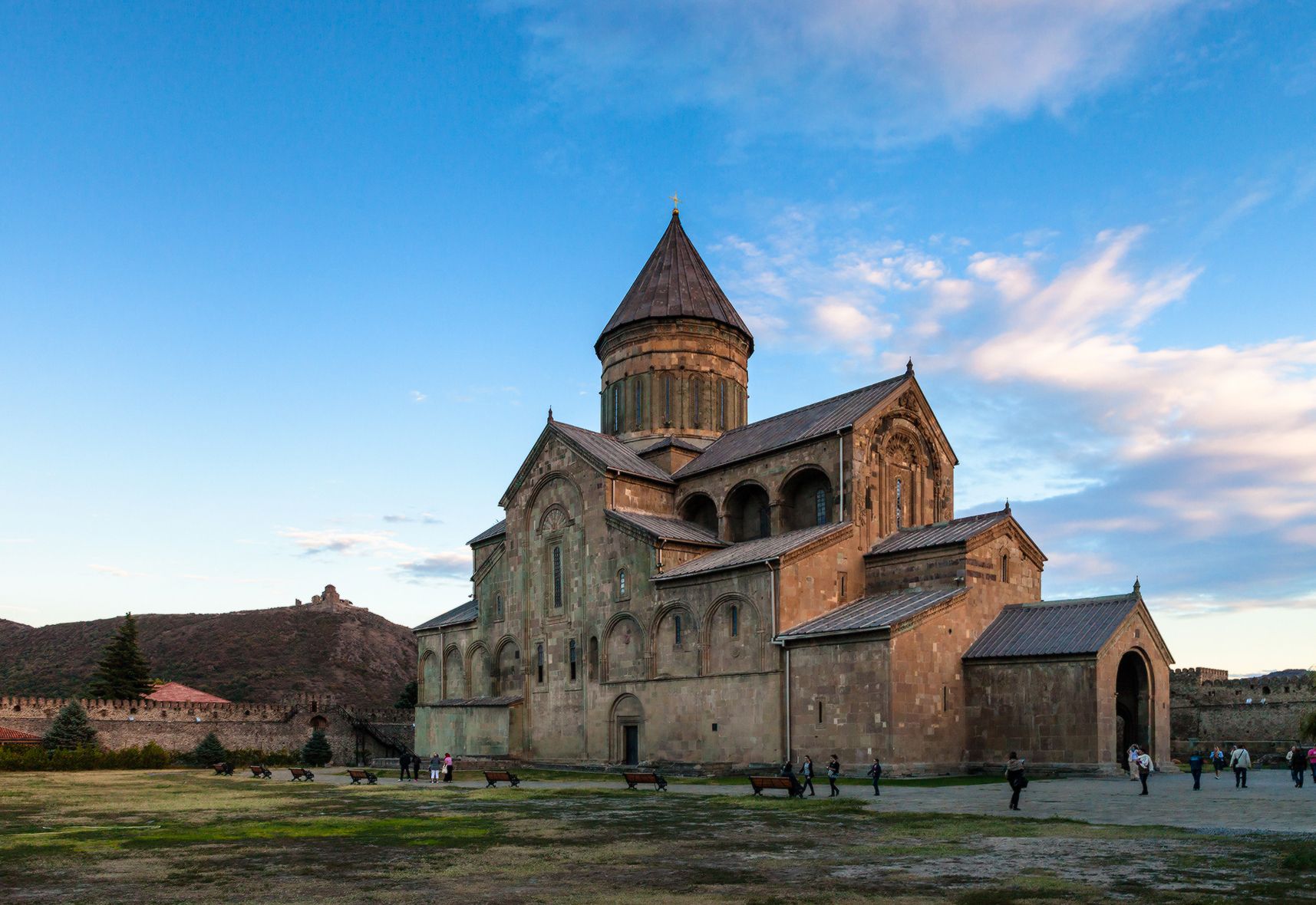
Svetitskhoveli Cathedral in Mtskheta, the stone that has heard every kind of vow.
Mtskheta · Svetitskhoveli
Tbilisi balconies leaning into the street like relatives leaning into a story.
Tbilisi · the argument leans in

Sit with us

You will be fed until you beg for mercy. This is not a metaphor.

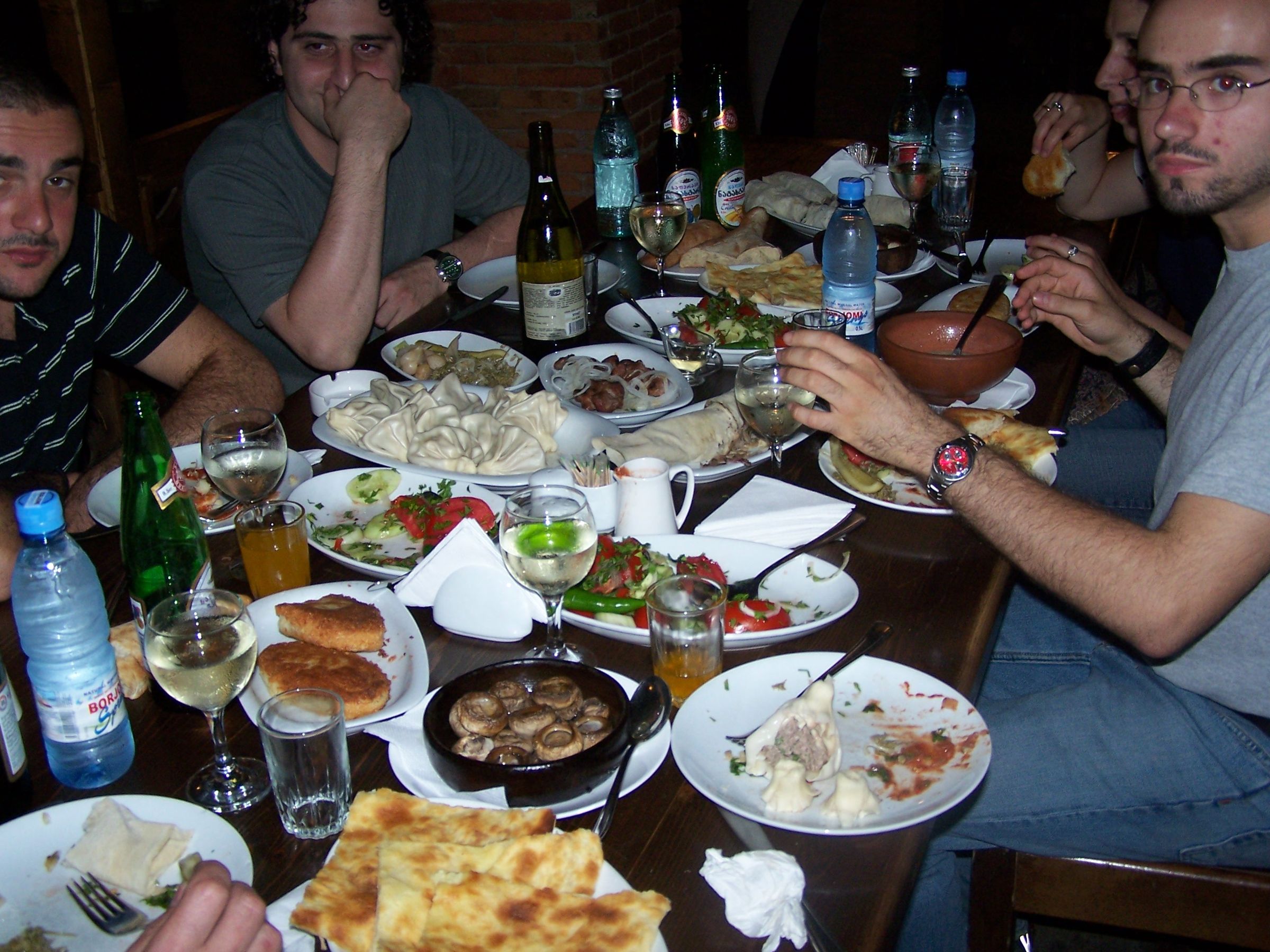
A supra is not dinner. It is a parliament of toasts. The tamada — toastmaster, conductor, occasionally tyrant — stands, and the table becomes a country with one foreign policy: you will be looked after. Bread is not a side. Wine is not a beverage. The person beside you is not networking. If you are invited, you are already late for the first glass.

A polyphonic minute

Audio arrives with the choir — use “Step into the cellar” until then.

Transcript

A three-part table song. Low voices hold the floor. A higher voice climbs and breaks, then returns. Glasses meet on the off-beat. Someone says gaumarjos — victory, or more honestly, to your joy.

How to behave at a Georgian table

Warm, slightly improper, and more useful than a guidebook.

Break every rule except the first: be kind, and do not let anyone sit un-toasted.

Plan a table Read the house rules again

Plan your feast

Tell us how you like to sit. We will lay the places.

Days, pace, hunger, company, season. No funnels. No “packages.” A menu with roads attached.

Every lodge you book here is the same price as booking it direct. We retire 1 tonne of CO₂ per booking with IMPT, paid to real farmers — not added to your bill, not a badge on the hotel.

Stories from the table

Long nights. Short morals. Bring a glass.

The whole magazine →

Places to sleep it off

The table is nothing without a bed that understands wine.

Real lodges. Real addresses. The same price as going direct.

Bookings are carbon-neutral: 1 t CO₂ retired per booking via IMPT. Same price. No surcharge. We do not call the lodges green.

All partner lodges →